

Introduction
Artificial intelligence is changing how businesses connect with customers. In recent years, AI marketing has gained traction across many sectors, including the construction industry. For equipment manufacturers, successfully reaching business clients is vital. B2B outreach allows companies to build valuable relationships and generate potential leads in a competitive market.
Caterpillar and Komatsu are two prime examples of industry leaders embracing this digital shift. These companies have realized that a modern marketing strategy must incorporate technology. By adopting artificial intelligence, they enhance customer engagement and streamline their marketing efforts. Making these strategic changes positions them to capture greater market share in the equipment manufacturing landscape.
As these giants lead the charge, the rest of the industry is paying close attention. The impact of AI on marketing can transform how businesses operate, making it more important than ever for companies to adapt. Implementing smart solutions helps manufacturers meet the growing needs of their clients while staying ahead of competitors. Ultimately, firms that adopt new technologies will likely enjoy better prospects and more profound connections with their customer base.
Understanding AI marketing
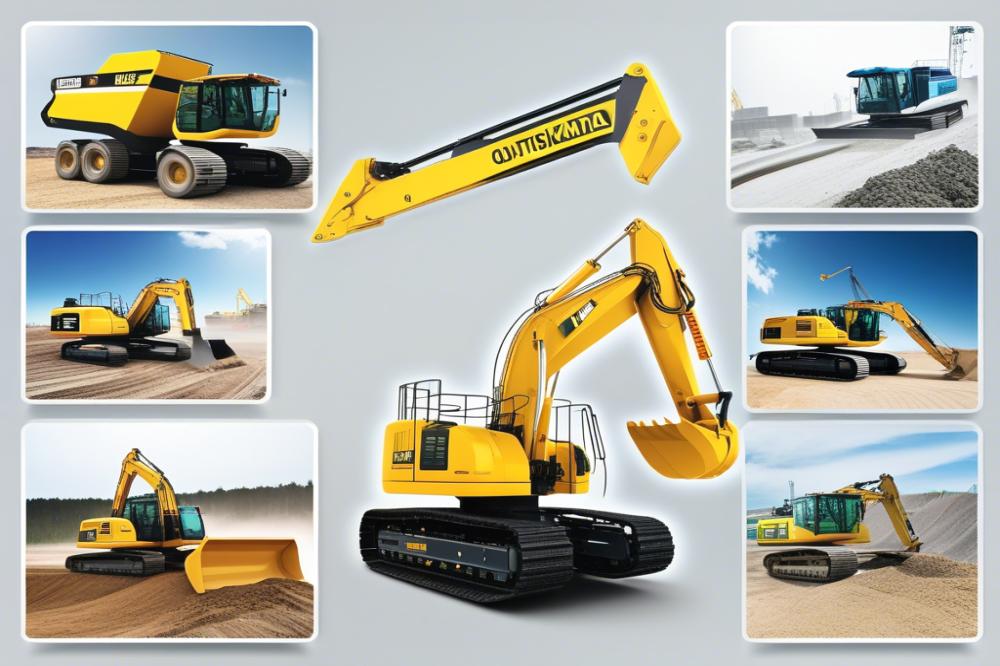
Artificial intelligence marketing refers to the use of advanced algorithms and data analysis in digital marketing. This approach helps businesses like Caterpillar and Komatsu to enhance their B2B outreach efforts. Many tools, powered by technology, now allow companies to target their efforts more effectively.
Marketing strategies have evolved significantly due to the rise of artificial intelligence. This technology analyzes large sets of data quickly and intelligently, providing insights that traditional methods can miss. Companies can now customize their campaigns based on detailed customer profiles. This leads to more personalized experiences that can catch the attention of potential clients.
The benefits are clear when it comes to lead generation. Firms leveraging AI can automate various aspects of marketing, increasing efficiency. Better targeting results in higher conversion rates, which is crucial for businesses in equipment manufacturing. Additionally, smart systems can predict customer behavior, helping companies stay one step ahead.
Customer engagement improves significantly with AI-driven solutions. These tools can manage interactions, respond to inquiries, and nurture leads around the clock. As a result, building lasting relationships with clients becomes more manageable. Engaged customers often translate into loyal partners for businesses like Caterpillar and Komatsu.
Technology adoption in marketing not only streamlines processes but also creates new opportunities. Firms can gather insights that were previously unavailable. This shift allows for ongoing improvements in marketing efforts.
Caterpillar’s AI Marketing Strategy
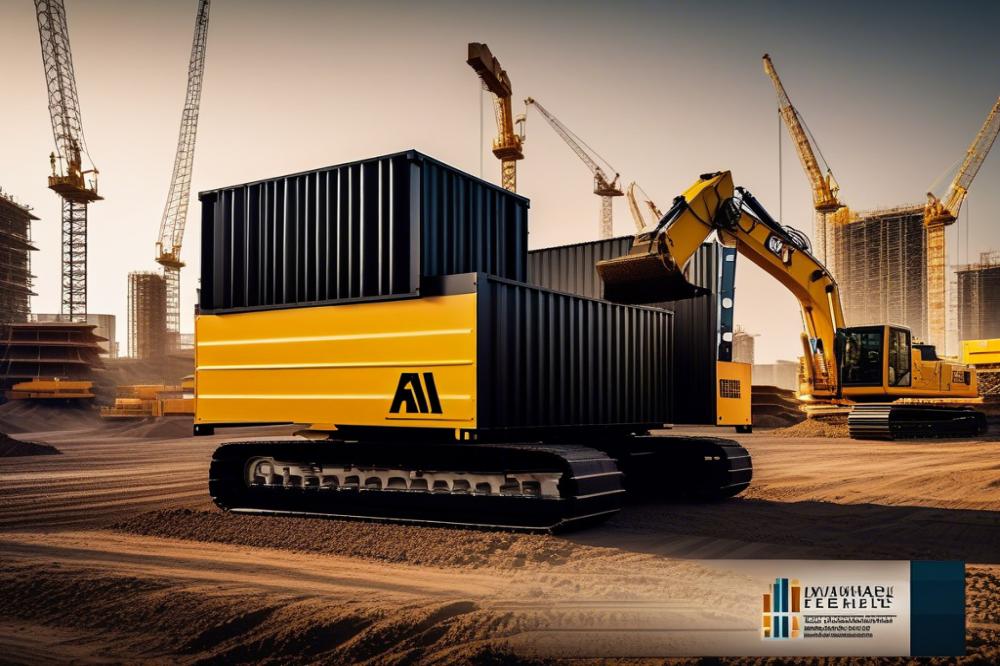
Caterpillar has embraced the digital age with a robust marketing strategy that incorporates artificial intelligence. This approach helps the company stand out in the competitive equipment manufacturing industry. By using AI, Caterpillar aims to enhance B2B outreach and connect more effectively with its customers. Their investment in technology adoption sets a solid foundation for future growth.
Overview of Caterpillar’s Marketing Strategy Incorporating AI
The company’s marketing strategy focuses on data-driven insights. These insights guide their campaigns, leading to better-targeted messaging. Caterpillar uses customer analytics to understand their audience. This understanding is crucial for creating tailored content that speaks directly to client needs.
Examples of AI Tools and Technologies Used by Caterpillar
To improve operations, Caterpillar uses several advanced AI tools. One notable example is their predictive analytics system. This tool forecasts equipment performance and identifies potential issues before they escalate. Chatbots are another technology at play. They provide immediate responses to customer inquiries, enhancing customer engagement.
Impact on B2B Outreach and Market Positioning
The impact of these strategies on B2B outreach is significant. Caterpillar has successfully attracted new leads through personalized marketing efforts. Customers feel valued when treated as individuals rather than just another number. This personal touch not only boosts lead generation but also reinforces the brand’s position in the market.
Komatsu, a key competitor, has observed Caterpillar’s advancements. They also strive to improve their own digital marketing efforts in response. As both companies adopt cutting-edge technologies, the competition heats up. Caterpillar’s smart use of artificial intelligence places it at the forefront of the industry.
Komatsu’s Approach to AI in Marketing
Komatsu is setting the standard in innovative marketing strategies within the construction industry. The company is leveraging advanced technology to enhance its B2B outreach. By utilizing artificial intelligence, they are transforming the way they connect with clients and prospects.
Data Analysis and Targeting
Data analysis plays a crucial role in Komatsu’s digital marketing efforts. Artificial intelligence algorithms sift through vast amounts of data to identify patterns. These insights allow for precise targeting of potential customers. Tailored messages reach the right audience at the right time, significantly improving lead generation. By understanding client behavior, Komatsu can engage them more effectively.
Success Stories and Case Studies
Komatsu’s efforts are already yielding impressive results. One notable case involved a targeted campaign aimed at construction companies in specific regions. The results showed a marked increase in customer engagement and inquiries. Another example highlighted their online platform which features equipment tailored to customer needs. Feedback indicated higher satisfaction levels among users, further validating their marketing strategy.
Success in using artificial intelligence does not come easily. Komatsu has invested resources in training its team and integrating technology thoroughly within the marketing framework. This commitment pays off, as the company outpaces competitors like Caterpillar in certain digital arenas.
The results speak volumes about the effectiveness of Komatsu’s AI-focused marketing. They have positioned themselves at the forefront of technology adoption in the equipment manufacturing sector. Improvements in engagement metrics reveal how this new approach attracts more attention from the right audience.
Comparative Analysis of Caterpillar and Komatsu
Both Caterpillar and Komatsu are leaders in the construction industry, but their approaches to B2B outreach differ significantly. Caterpillar utilizes an extensive digital marketing strategy. They apply artificial intelligence to personalize customer experiences and streamline their communication. This helps in identifying potential leads efficiently.
On the other hand, Komatsu emphasizes building relationships through technology adoption. Their marketing methods often focus on creating content that provides value to their clients. Videos and case studies exhibit how their machinery performs in real-world scenarios, fostering customer engagement.
In terms of lead generation effectiveness, Caterpillar shows strong results through data-driven insights. They analyze user behavior and adjust their outreach accordingly. This adaptability leads to higher conversion rates. Komatsu’s strategy revolves around long-term connections. Their approach takes time but can cultivate a loyal customer base.
Both companies illustrate important lessons for the construction sector. Caterpillar’s immediate responsiveness helps capture fleeting opportunities. Enhancing customer journeys can keep potential clients interested. Komatsu teaches the power of storytelling. Engaging customers through informative content can build trust and lead to strong brand loyalty.
Ultimately, each company offers valuable insights into effective marketing strategies in the modern landscape. Striking a balance between innovative trends and traditional values may offer the best path forward.
The Future of AI Marketing in the Construction Industry
Technology adoption is changing how the construction industry operates. Companies like Caterpillar and Komatsu are leading this change. They are using digital marketing to reach more businesses. Artificial intelligence is becoming a key part of their marketing strategy. This shift helps in improving customer engagement and streamlining lead generation.
Emerging trends show an increasing reliance on data-driven decisions. Manufacturers are exploring tools that offer insights into consumer behavior. Understanding customer needs is essential for effective B2B outreach. More companies are likely to invest in AI and automation to stay competitive. The integration of technology can enhance how businesses communicate and connect.
Challenges still exist for manufacturers in this transition. Not every company can adapt quickly to new technologies. Some may struggle with the costs associated with adopting artificial intelligence. Training staff to use these sophisticated tools adds another layer of complexity. However, the opportunities outweigh these obstacles. The potential for increased efficiency and better customer relationships can drive growth.
The ongoing evolution of B2B marketing in construction reveals more about the industry’s future. Innovative companies are recognizing the need for change. By embracing new tools, they can enhance their outreach and impact. Staying relevant means understanding how to leverage technology effectively. Digital marketing will likely play a significant role in shaping these new strategies.
Final Insights
In summary, this article explored how the construction industry is increasingly turning to AI marketing. Companies like Caterpillar and Komatsu are leading the charge in this new era of B2B outreach. They aim to connect better with their customers while streamlining their marketing processes. The integration of artificial intelligence allows for data-driven decisions that were once unthinkable in this sector.
Significant benefits come from adopting these modern marketing techniques. Enhanced customer engagement, tailored messaging, and more effective advertising are just a few. These advancements not only help companies understand their audience better, but they also improve the return on investment for marketing efforts. The construction industry, traditionally slower to adopt new technologies, is finally embracing these tools, ensuring continued growth and relevance.
Caterpillar and Komatsu serve as prime examples of transformative leadership. Their willingness to innovate sets them apart and inspires others in the industry. As more companies recognize the value of sophisticated marketing approaches, the landscape of construction sales is bound to change. Future developments will likely hinge on technology as firms seek to meet new consumer needs.
In conclusion, embracing cutting-edge marketing strategies will be crucial for survival in an ever-evolving market. The path forward is clear: companies must adapt, or risk falling behind. With leaders like Caterpillar and Komatsu steering the way, a new chapter of marketing in the construction scene is here.

