
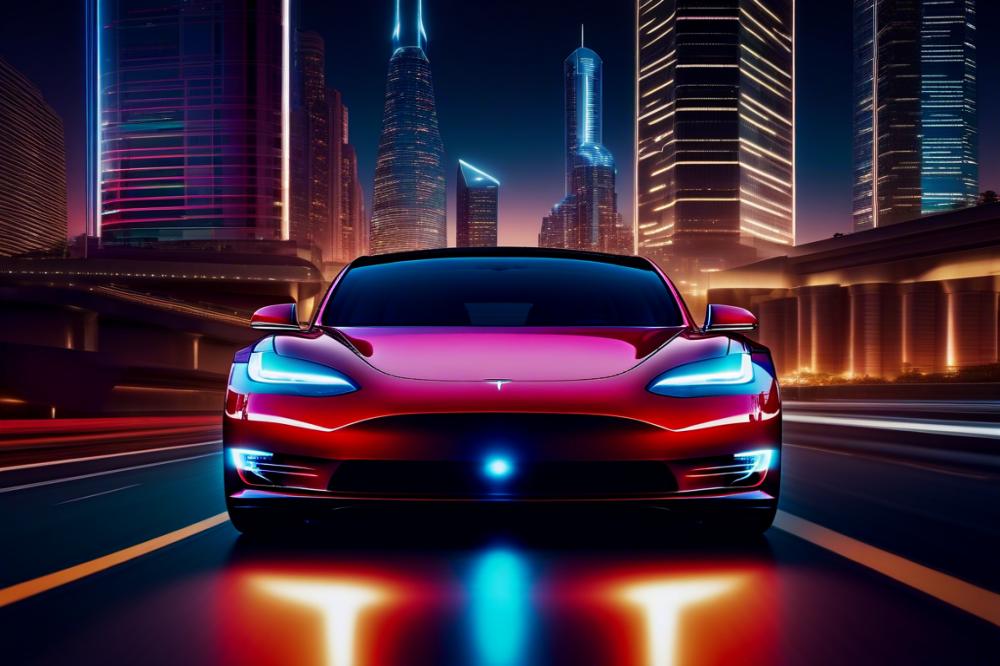
How AI-Driven Marketing is Reshaping Car Buying
Car Buying has undergone significant transformation over the years. Once dominated by in-person showrooms and lengthy negotiations, consumers now navigate a digital landscape teeming with options. The shift from traditional sales tactics to online platforms has empowered buyers. They possess access to information at their fingertips, allowing for informed decisions. This evolution highlights how consumer behavior in the auto industry is changing.
Emerging technologies are making a huge impact on automotive marketing strategies. Among these, AI stands out for its ability to analyze data and provide insights. Machine learning algorithms can interpret vast amounts of information about customer preferences and behaviors. As a result, brands can create tailored marketing campaigns. Personalized marketing enhances the buying experience by addressing individual needs and interests.
In this competitive arena, two giants are making headlines: Tesla and General Motors. Both companies are investing heavily in digital advertising and innovative solutions. Tesla, with its direct-to-consumer model, captivates consumers through engaging online experiences. Meanwhile, General Motors leverages advanced analytics to enhance customer engagement. These strategies show how key players in the auto industry are adapting to new trends.
The impact of AI on marketing in the automotive space cannot be overstated. Its role reshapes how companies connect with potential buyers, turning routine car buying into a more streamlined, customer-focused process. As these two major brands continue to innovate and respond to market needs, the race for consumer attention becomes ever more intense. The future of automotive marketing looks bright, driven by technology and creativity.
AI-Driven Marketing: Transforming Automotive Marketing Strategies
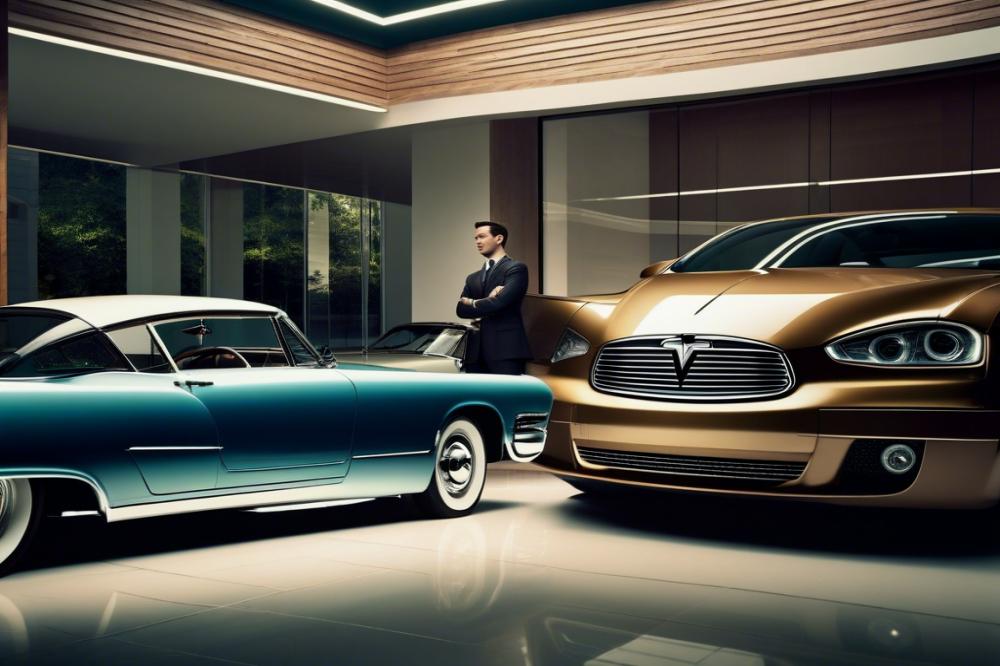
Artificial intelligence is changing the way car companies market their vehicles. In the auto industry, AI-driven marketing is not just a trend; it’s a new standard. It helps manufacturers and dealers understand customers better. With insights gathered from data, brands can create more effective marketing campaigns that reach the right people.
Machine learning plays a significant role in this transformation. It analyzes vast amounts of data to improve consumer behavior analysis. By examining past purchases, preferences, and online activities, companies can predict what potential buyers might want. This leads to more refined and personalized marketing strategies. Consumers find messages that resonate with them, increasing the chances of a sale.
Digital advertising has become a powerful tool for automakers. Platforms like social media and search engines allow car brands to target ads specifically to their audiences. For many, scrolling through feeds reveals tailored choices that meet their needs. This practice boosts customer engagement and keeps potential buyers interested.
Case Studies: Tesla’s Innovative Marketing vs. General Motors’ Traditional Approaches
When examining Tesla, it’s clear how different their methods are. The company uses social media to communicate directly with fans. Elon Musk often shares updates and responds to followers, creating excitement. This direct line fosters a loyal community surrounding the brand. People feel connected, making them more willing to consider purchasing a Tesla.
General Motors, on the other hand, relies heavily on traditional advertising methods. Their TV commercials and print ads are well-known but may not engage viewers as effectively. While GM has a long history of creating memorable advertisements, they sometimes struggle to connect with today’s tech-savvy audience. The competition between these two giants illustrates how auto industry trends are shifting. Tesla’s approach highlights the importance of adapting to modern marketing techniques.
As both companies continue to evolve, the use of machine learning and digital tools will remain crucial. Watching how these automotive marketing strategies unfold will provide insight into the future of car buying. Consumers will likely benefit from more personalized experiences that cater to their preferences and needs.
Personalized Marketing and Customer Engagement
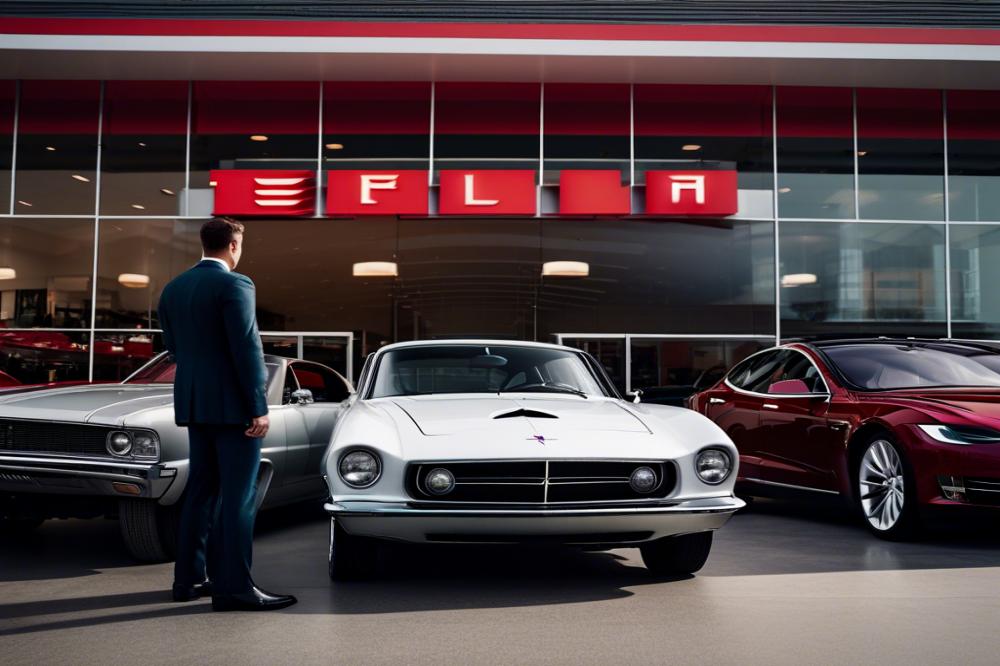
Personalized marketing involves tailoring messages and offers to fit individual customers. In the world of car buying, this approach is crucial. Consumers today expect brands to understand their preferences. When shopping for a vehicle, many potential buyers appreciate relevant information. They want details that match their specific needs and desires.
AI analyzes vast amounts of data to create these tailored experiences. By examining consumer behavior across various platforms, it can identify trends and preferences. For instance, machine learning algorithms evaluate past interactions and demographics. This analysis allows companies to craft customized marketing messages. Both Tesla and General Motors utilize this technology to connect with buyers more effectively.
In recent campaigns, Tesla has excelled at personalized outreach. Their digital advertising strategies often highlight features that resonate with specific customer segments. For example, a user interested in sustainability may receive information on Tesla’s eco-friendly practices. In contrast, General Motors has launched initiatives targeting family-oriented consumers. Ads showcasing safety features and spacious interiors appeal to those buyers.
Such personalized efforts lead to improved customer engagement. When potential buyers feel understood, they are more likely to interact with a brand. Increased engagement translates into higher sales. Additionally, positive experiences reinforce brand loyalty. Customers who receive relevant messages are inclined to become repeat buyers. Both automakers compete for attention, and this is where personalized marketing makes a difference.
As the auto industry trends evolve, this tactic remains vital. Brands that prioritize customer engagement through tailored marketing will stand out. By honing in on what consumers want, Tesla and General Motors can maintain their competitive edge. The future of automotive marketing is not just about selling cars; it’s about creating connections.
Competition in the Automotive Marketing Landscape
The competition between Tesla and General Motors is fierce in the world of digital marketing. Each company is vying for consumer attention using innovative methods. General Motors employs diverse marketing strategies, tapping into its long history. Meanwhile, Tesla connects through social media and unique outreach. Their rivalry shapes how consumers view vehicles today.
AI-driven marketing plays a key role in influencing consumer behavior. It utilizes machine learning to analyze customer data. This data allows companies to create personalized marketing campaigns. Tailoring messages to specific audiences increases customer engagement. Consumers are more likely to respond positively to messages that feel relevant to them.
Several auto industry trends highlight the impact of technological advancements. The shift toward electric vehicles creates a new focus for marketing efforts. Companies are not just selling cars anymore; they’re promoting lifestyles. Digital advertising is essential for showcasing features like sustainability and innovation. This focus aligns with the interests of modern buyers who prioritize eco-friendly options.
Looking forward, the implications of AI-powered efforts in automotive marketing are vast. As technology continues to evolve, competition will intensify. Brands that embrace data and personalization will likely lead the pack. Consumers will expect tailored experiences that resonate with their needs. Staying ahead means constantly adapting to changes in technology and consumer preferences.
Challenges and Considerations of AI-Driven Marketing
Marketing with artificial intelligence has its share of challenges. One significant concern revolves around ethics. Many people worry about how their personal data is collected and used. Companies like Tesla and General Motors rely on consumer behavior data to craft campaigns. Yet, this raises questions about privacy and individuals’ rights.
Data privacy issues aren’t just buzzwords. They touch real lives. Customers can feel uneasy knowing that their online activities are tracked. Moreover, laws surrounding data usage are constantly evolving. This creates uncertainty, and companies must stay informed to avoid legal trouble.
Another issue comes from over-reliance on technology. While machine learning can enhance targeted advertising, it may lead marketers to neglect human intuition. Decisions based solely on algorithms can miss the emotional connections people have with brands. Sometimes, a personal touch is what creates lasting customer engagement.
In the auto industry, a balance is vital. Both Tesla and General Motors must integrate personalized marketing efforts while keeping human insights in mind. Focusing too heavily on data could lead to cookie-cutter approaches. Consumers appreciate brands that understand their needs in a more genuine way.
Though digital advertising plays a crucial role, automotive marketing goes beyond just algorithms. It involves storytelling, authenticity, and relationship-building. A purely technological approach risks losing that special connection consumers crave. Ensuring that human creativity is woven into strategies can prove effective.
Finally, competition drives companies to push the boundaries of innovation. However, they must think critically about how they use technology. The line between effective marketing and intrusive tactics can be thin. It’s essential for brands to respect customers while still attempting to capture their attention in a crowded market.
Final Thoughts
The impact of AI-driven marketing on car buying is clear. This technology has revolutionized how consumers engage with brands. Personalized ads attract potential buyers, making their journey smoother and more directed. For companies like Tesla and General Motors, this shift is crucial. Both brands compete fiercely for consumer attention, and their strategies reflect larger trends in the industry.
Their rivalry showcases how necessary adaptation is in today’s marketplace. Tesla often leads with cutting-edge innovations, while General Motors counters with its own tech advancements to capture interest. This dynamic not only fuels competition but also promotes new ideas that enhance customer experiences.
Looking ahead, the role of artificial intelligence in automotive marketing will only grow. Enhanced data analysis will allow for deeper insights into consumer preferences. Marketers will likely use this information to tailor their campaigns even more effectively. As cars become smarter, so too will marketing strategies. In this evolving landscape, staying ahead will be essential for maintaining relevance and capturing market share.

