
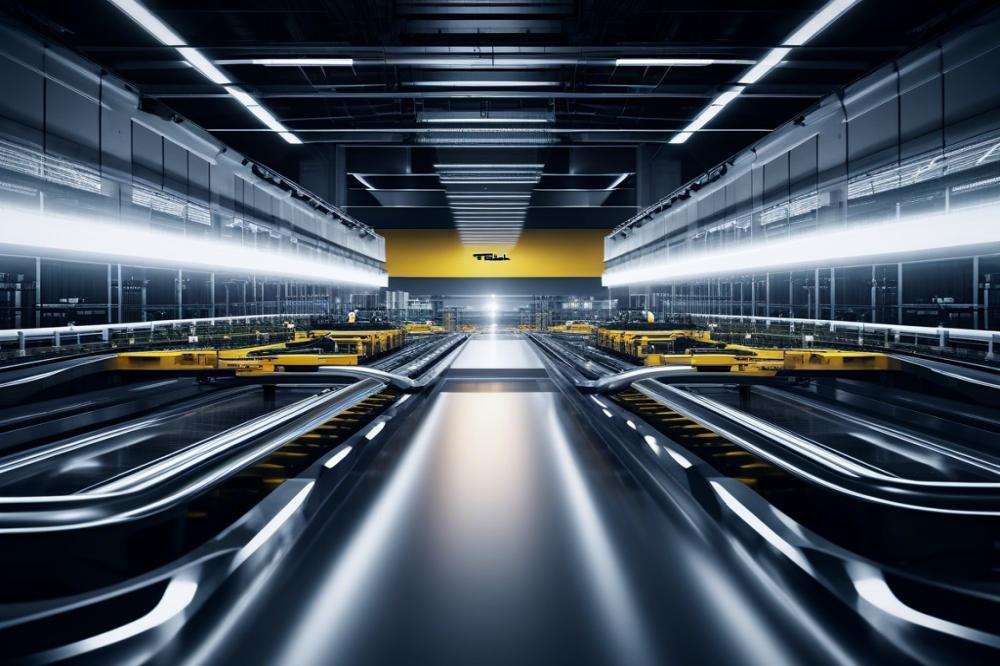
Introducing the Future of Manufacturing
Manufacturing is undergoing a significant transformation, largely propelled by advancements in technology. As industries embrace Industry 4.0, companies are leveraging innovative approaches to boost operational efficiency. Among these approaches are AI Marketing Strategies that are reshaping how businesses operate and market their products. These strategies utilize predictive analytics and data-driven insights to streamline processes, optimize logistics, and enhance customer engagement.
Tesla and Caterpillar stand out as prime examples in this evolving landscape. Tesla, known for its electric vehicles, is not just shaking up the automotive market; it’s also revolutionizing Supply Chains through automation and smart analytics. Caterpillar, a giant in heavy machinery, is leveraging similar technologies to improve productivity and reduce costs. Their experiences serve as valuable case studies, shedding light on the impact of technology in manufacturing.
Both companies showcase how innovation can lead to better decision-making and increased efficiency. By harnessing the power of data, they are able to anticipate demands and adjust their operations accordingly. Such advancements are crucial in an era where speed and adaptability are paramount.
The convergence of marketing strategies with manufacturing processes sets the stage for a new way of doing business. As more companies recognize the importance of these tools, we can expect even greater changes in how products are created and delivered. The future is bright for manufacturers willing to adapt and evolve.
AI Marketing Strategies

AI marketing strategies are transforming how companies like Tesla and Caterpillar operate within the manufacturing sector. Defined simply, these strategies use advanced technology to analyze data. By harnessing data-driven insights, businesses can create smarter marketing campaigns and enhance overall operations.
Automation plays a critical role in this evolution. Machines and software can perform tasks more efficiently than ever. This change allows companies to focus their resources on innovation and production. Moreover, predictive analytics provides valuable forecasts that inform decision-making. Understanding trends in consumer behavior and market demand helps optimize logistics, minimizing waste and improving delivery times.
In the age of Industry 4.0, manufacturers must adapt to remain competitive. Digital transformation is not just a buzzword; it reflects a comprehensive shift in how companies think and operate. For Tesla, this means leveraging AI to refine their Supply Chains and enhance their product offerings. Caterpillar similarly uses data to drive efficiencies across its manufacturing processes.
Results from these technologies can be significant. Operational efficiency is often markedly improved through targeted strategies that analyze real-time data. Companies can foresee potential issues before they arise. With better insights, there’s a higher level of responsiveness to market shifts. Such an approach empowers resources to be allocated wherever they’re needed most.
Ultimately, AI marketing strategies represent a pivotal shift in the manufacturing landscape. They showcase how data can guide businesses towards smarter decisions. As these techniques grow, Tesla and Caterpillar set a new standard for efficiency and effectiveness in their fields. Adapting to these methods could redefine the future of manufacturing for years to come.
Tesla’s Approach to AI in Manufacturing

Tesla has risen to the forefront of the manufacturing world by embracing digital transformation. Their innovative use of AI is a key part of this shift. By incorporating automation into their production processes, they have significantly enhanced their operational efficiency. Employees spend less time on repetitive tasks, allowing them to focus on more critical projects.
Predictive analytics plays a crucial role in how Tesla manages logistics. With data-driven insights, they can anticipate supply chain disruptions before they happen. This kind of foresight helps them to maintain smooth operations, ultimately enhancing production timelines. Moreover, this strategy aids in mitigating risks associated with component shortages and equipment failures.
To improve customer engagement, Tesla frequently analyzes consumer data trends. This analysis allows them to tailor products to changing market demands. Understanding what customers want leads to better inventory management and more precise production schedules. As a result, Tesla can offer solutions that closely align with buyer preferences.
Caterpillar, another giant in the manufacturing sector, also applies similar principles in their operations. Both companies illustrate how Industry 4.0 can change the way manufacturers operate. Technologies such as machine learning and IoT help them optimize their supply chains.
Tesla’s commitment to leveraging advanced technologies sets a remarkable example. They continually assess and refine their strategies, ensuring they stay ahead in a competitive market. This focus on innovation not only benefits them but influences the entire manufacturing landscape. As these strategies evolve, the future of manufacturing looks increasingly bright.
Caterpillar’s Utilization of AI Technologies
Caterpillar is at the forefront of modern manufacturing. By embracing artificial intelligence, the company is reshaping its marketing strategies. Logistics optimization stands out as a primary focus. The firm uses predictive analytics to streamline supply chains effectively.
In the realm of Industry 4.0, Caterpillar has become a leader. Sensors and software work in unison to gather data. This data informs every decision, influencing production and shipping processes. With real-time insights, the company can anticipate needs and act swiftly. Automation also plays a vital role in this transformation.
One major change involves how Caterpillar manages its inventory. The firm utilizes algorithms to predict demand accurately. By doing this, it reduces the chance of overproduction or shortages. Consequently, operational efficiency sees significant improvements. Lower inventory costs translate to better profit margins.
Customer service is another area that benefits from data-driven insights. Caterpillar can now respond to client needs more rapidly. This enhances overall satisfaction and strengthens client relationships. Businesses thrive on having reliable partners. Caterpillar is becoming that partner through smart technology use.
Transportation logistics experience a boost as well. AI helps to analyze routes and schedules, optimizing delivery times. Trucks are now more efficiently filled and directed. This leads to fewer emissions and cost savings for the company. Beyond that, it reflects a commitment to sustainability in manufacturing.
Caterpillar’s digital transformation is paving the way for future innovations. As the industry evolves, the integration of AI stands as a pivotal factor. Companies that adapt to these changes will likely lead the market. With ongoing advancements, Caterpillar seems poised to maintain its edge in the manufacturing landscape.
Impact of Industry 4.0 on Manufacturing
Industry 4.0 signals a new era for manufacturing, blending advanced technologies with smart systems. This digital transformation reshapes how companies operate. Tesla and Caterpillar are at the forefront, embracing these changes through automation and data-driven insights. As they adapt, the use of predictive analytics plays a crucial role in enhancing operational efficiency.
Manufacturers like Tesla leverage real-time data to improve logistics. These practices streamline their supply chains remarkably. Systems evolve through interconnected devices, yielding faster decision-making processes. Caterpillar also pursues this path, utilizing innovative technology to better manage resources.
By integrating AI marketing strategies, these companies create a roadmap for success. Such strategies not only boost sales but also enhance their understanding of customer needs. Advanced data analytics reveal trends that guide production decisions. Operations become more flexible and responsive, essential in today’s competitive landscape.
The relevance of Industry 4.0 cannot be overstated. It bridges traditional practices with modern approaches. As manufacturers adopt these new strategies, they build resilience against market demands. Both Tesla and Caterpillar exemplify how adapting to technological advances fosters sustainable growth.
Automation is a key component of this transformation. Machines equipped with AI make processes efficient and reduce human error. This shift not only cuts costs but also increases the overall quality of products. Moreover, companies gain the ability to predict and react to changes swiftly.
The integration of data from various sources enhances planning and execution. Companies gain comprehensive views of their workflows. With a robust digital infrastructure, surprises become manageable. Supply chain transparency grows, enabling better collaboration between stakeholders.
In conclusion, this technological revolution reshapes the landscape of manufacturing. By adopting advanced systems, Tesla and Caterpillar are setting benchmarks. They reflect a future where agility and automation coexist, leading to a more responsive industrial ecosystem.
Future Trends in AI Marketing and Manufacturing
As technology keeps advancing, we can expect significant changes in how companies like Tesla and Caterpillar approach manufacturing. New tools and strategies will likely emerge, focusing on automation and efficiency. Industry 4.0 is already altering traditional manufacturing methods, integrating smart technology into operations.
Predictive analytics will play a vital role. This technology helps businesses forecast trends and customer needs. By analyzing data-driven insights, manufacturers can produce products that better match demand. For instance, Tesla might use this information to time their production runs perfectly, reducing waste.
Logistics is an area poised for transformation as well. Automated systems can streamline supply chains, making them faster and more reliable. Caterpillar may adopt these advancements to deliver parts more efficiently, ensuring their machines operate smoothly and customers remain satisfied.
Digital transformation is not just a buzzword; it’s a necessity. Companies that harness advanced AI marketing strategies will set themselves apart from competitors. Data from various sources such as social media and sales figures can help tailor products to consumer preferences.
Another trend to watch involves remote monitoring of machinery. Sensors equipped on equipment track performance in real-time. This capability allows companies to identify issues before they result in larger problems, ultimately leading to improved operational efficiency.
Furthermore, the integration of AI in customer service could redefine buyer interactions. Chatbots and virtual assistants will provide immediate responses to inquiries, shaping a more engaging customer experience. When consumers feel valued, brand loyalty can increase significantly.
In conclusion, the future of manufacturing is set for a massive upgrade. With the application of these emerging technologies, businesses are preparing for a revolutionary change. While challenges may arise, the benefits could vastly outweigh them, propelling companies into a new era of productivity and connection.
Final Thoughts
The use of advanced marketing strategies in AI represents a significant shift in the manufacturing landscape. Companies like Tesla and Caterpillar are at the forefront, pushing boundaries and embracing technology. They are not just keeping pace; they are setting the trends. A blend of data analytics and machine learning is making supply chains more efficient. This transformation leads to better customer engagement and informed decision-making.
Insights gleaned from customer behavior have never been more critical. With enhanced understanding, manufacturers can tailor their products and services. This direct connection helps businesses respond swiftly to market demands. In turn, customer satisfaction can see notable improvements. Competition in this sector is intensifying, and adaptability is vital.
It’s clear that as these companies leverage innovative approaches, the future of manufacturing will look different. Continuous advancements mean that businesses must stay agile and receptive to change. Embracing technology does not only refine processes; it fosters a culture of innovation. This evolution will be key for those who wish to thrive in an increasingly competitive marketplace.
In summary, AI-driven marketing strategies are reshaping how manufacturing operates. The ability to integrate technology with supply chain management opens new possibilities. Industries should take heed, as those who adapt will lead the way. The stakes are high, and the impact on the future is profound.

