
Introduction
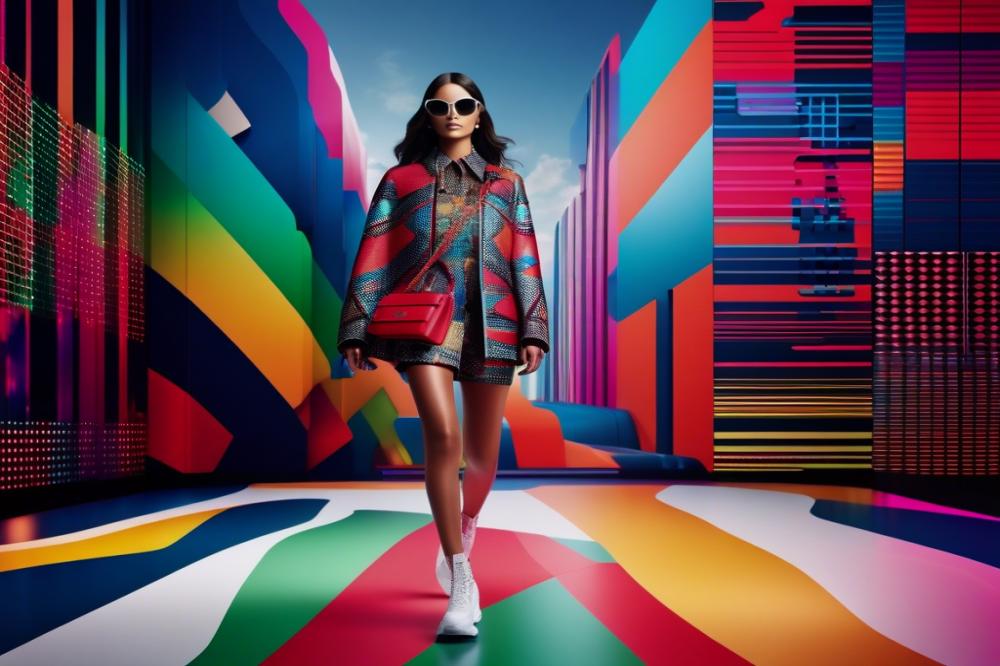
The Fashion industry is undergoing a remarkable transformation through technology. AI Marketing has emerged as a powerful tool that shifts how brands connect with their customers. In this fast-paced environment, understanding what consumers desire is vital for success.
Fashion holds a significant role in everyday life. It reflects culture, personal styles, and even social movements. As trends change rapidly, brands are turning to advanced technologies to keep up. Here, innovations like predictive analytics and machine learning come into play. These tools allow companies to analyze consumer behavior and tailor their offerings effectively.
Nike and Gucci showcase excellent examples of how to embrace these technologies. Each brand employs their unique strategies to predict Consumer Preferences and enhance personalization. Nike uses data-driven marketing to create targeted campaigns, while Gucci focuses on leveraging customer insights to stay ahead of trends. Both brands are pioneers in retail innovation, leading the way for others in the industry.
This combination of fashion and technology opens up incredible opportunities. As brands adopt these methods, they can better predict what consumers want. Understanding the nuances of customer preferences allows companies to shape their collections and marketing messages. In doing so, they not only meet demand but also inspire loyalty among shoppers.
AI Marketing Defined

Artificial intelligence has transformed many industries, including fashion. It allows brands to analyze vast amounts of data quickly. This capability helps companies like Nike and Gucci understand what consumers want. By using advanced algorithms, they can anticipate trends before they even emerge.
Predictive analytics plays a crucial role in this process. It helps brands analyze patterns from customer behaviors. Shops can uncover what styles might be popular next season based on past purchases. By knowing what consumers lean towards, companies can tailor their offerings better.
Machine learning is a powerful tool in fashion marketing. It learns from customer interactions and past results. Over time, this technology becomes more accurate at forecasting Consumer Preferences. Retail innovation is driven by insights gained from this approach. Brands can create personalized shopping experiences that resonate with individual shoppers.
Customer insights gathered through these techniques lead to data-driven marketing strategies. Nike tracks consumer behavior closely to inform product designs and campaigns. Similarly, Gucci leverages technology to personalize customer journeys. Both companies aim for personalization that meets customers right where they are.
Trend prediction is another essential aspect of AI in fashion. By analyzing social media and online discussions, companies can see what’s gaining popularity. Fashion trends often change rapidly. Thus, staying ahead makes a significant difference in sales and brand loyalty.
Nike’s AI Marketing Strategies
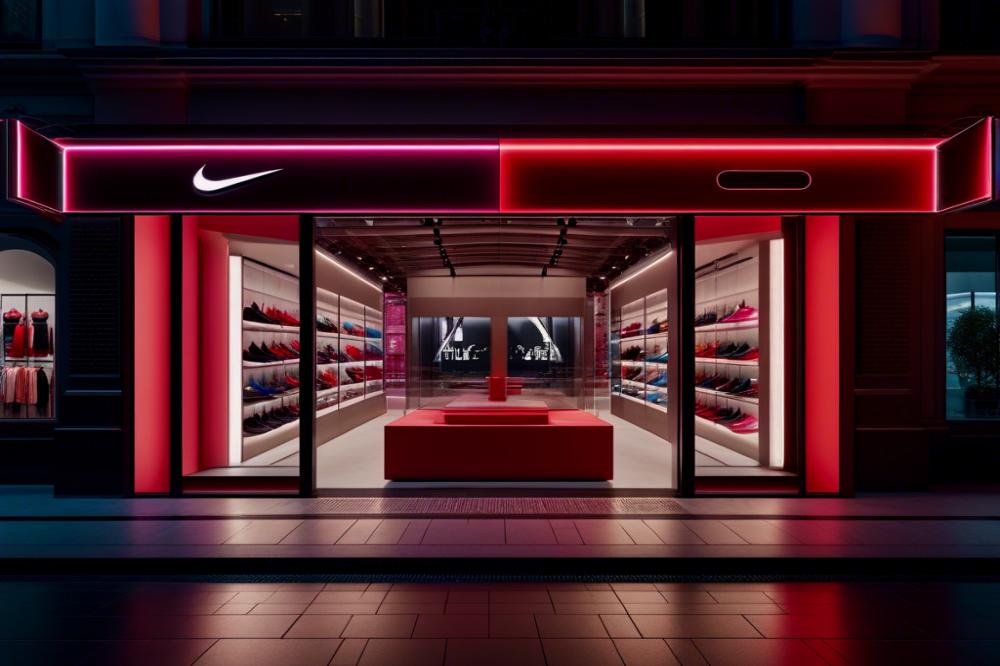
Nike uses data-driven marketing to stay ahead in the competitive fashion world. The brand collects vast amounts of data from its customers. This data helps Nike understand what their consumers prefer. Through various channels, including online shopping and social media, Nike gathers these insights to tailor its offerings. By utilizing predictive analytics, they can forecast trends and adjust marketing strategies accordingly.
Personalization Techniques Employed by Nike
Personalization is at the heart of Nike’s marketing techniques. Customization allows customers to feel connected to the brand. For instance, Nike’s apps offer tailored product recommendations. This means when you log in, the system suggests items based on previous purchases or browsing habits. Additionally, engaging customers through targeted emails showcases items that reflect individual tastes.
Case Studies and Examples of Successful Campaigns
Nike’s campaigns often serve as great examples of effective marketing. One notable campaign involved the release of a new sneaker line. The company analyzed social media trends and consumer feedback to determine the ideal launch timing. This resulted in significant pre-orders. Their “Nike By You” program also highlights how customers can design their footwear. It taps into creativity while drawing on customer preferences.
Analysis of Customer Insights Gathered Through AI
Customer insights gathered through machine learning play a critical role in Nike’s strategy. These insights reveal not only preferences but also buying habits. By analyzing data, Nike understands patterns that emerge among different demographics. For example, younger customers may prefer bright colors and bold designs. In contrast, older shoppers might lean towards classic styles. This information helps guide product development and marketing strategies.
Retail innovation is evident throughout Nike’s approach. They continuously adapt to changing consumer behaviors. As lifestyles shift, so do marketing tactics. Understanding customer insights gives Nike a competitive edge, positioning them ahead of brands like Gucci. In the realm of personalization, they stand out by ensuring that customers feel valued and heard.
Gucci’s Innovative Approach
Gucci has embraced a transformative strategy in marketing, using AI-driven initiatives to connect with consumers. This brand stands out in the world of fashion through its keen ability to grasp what customers want before they even know it themselves. By leveraging predictive analytics, Gucci can analyze vast amounts of data to spot trends that others might miss.
One significant element of Gucci’s approach is its use of trend prediction and fashion forecasting. Machine learning algorithms help the company anticipate shifts in style and preference, allowing them to stay ahead of competitors. This proactive stance not only strengthens Gucci’s brand identity but also enhances customer satisfaction as consumers feel understood and valued.
The impact of digital technology on Gucci’s marketing strategy cannot be overstated. With tools designed to gather customer insights, the brand creates personalized shopping experiences that resonate with its audience. E-commerce has become a central focus, as more shoppers turn to digital platforms. Gucci’s online presence is both stylish and intuitive, catering to the desires of a diverse clientele.
Several case studies highlight how effectively Gucci has implemented AI solutions. In one instance, the brand analyzed social media trends to predict the popularity of certain styles. As a result, they were able to launch a limited-edition collection that received significant attention. Another example involved real-time data collection during fashion shows. This allowed Gucci to adjust marketing strategies promptly, boosting engagement with potential customers.
Through retail innovation, Gucci leads the fashion industry in understanding and meeting consumer needs. As AI continues to evolve, it will be fascinating to watch how the brand adapts and grows. The future looks promising as Gucci explores new technologies to transform its marketing efforts further.
Comparative Analysis of Nike and Gucci
Contrasting strategies of both brands
Nike and Gucci represent two giants in the fashion world, but their strategies for engaging consumers are quite different. Nike focuses on athletic wear, often tying its products to performance and sports culture. Its use of predictive analytics highlights how consumers will react to certain products based on trends in fitness and activity. Instead of merely tracking sales, Nike gathers customer insights to anticipate what consumers desire before they even realize it.
Gucci, on the other hand, dives deeply into the realm of luxury and high fashion. The brand leverages machine learning to understand aesthetic preferences and luxury market movements. Popularity among influencers and celebrities shapes Gucci’s trend prediction. This brand often takes creative risks, relying on data to guide its bold choices while catering to an upscale audience. While both brands aim for personalization, their methods and target demographics vary significantly.
Outcomes and effectiveness of AI implementations
Nike’s approach to data-driven marketing has reaped significant rewards. By utilizing predictive analytics, the brand can streamline its inventory and ensure that popular items are always available. This proactive stance leads to higher customer satisfaction. Nike excels at creating tailored marketing messages that resonate with individuals, resulting in a stronger connection to the consumer base.
Gucci’s machine learning strategies foster a distinctive sense of exclusivity. The brand uses sophisticated algorithms to analyze customer behavior and trends, allowing it to create limited-edition products that generate buzz. The outcome is a loyalty that keeps customers coming back, eager for the next innovative piece. Gucci has harnessed its AI initiatives effectively, enabling it to stay relevant in a rapidly changing market.
Key learnings from their approaches to consumer preferences
Both brands demonstrate important lessons in understanding consumer preferences. Nike’s success shows how emphasis on engagement fuels loyalty. Responding to consumer desires quickly builds trust. Meanwhile, Gucci highlights the value of cultivating a brand narrative that captivates high-end clientele. It’s essential to blend creativity with technology to remain competitive.
A crucial takeaway from Nike’s method is the need for agility in responding to trends. Predictions can guide product development but staying flexible is key. Gucci teaches brands to invest in a deep understanding of their audience’s tastes. In high fashion, the right product at the right time can create an unforgettable impact. Each brand, through its unique approach, provides valuable insights into effective strategies for thriving in the ever-evolving fashion landscape.
Future Implications of AI Marketing in Fashion
Trends shaping the future of AI in the fashion industry
The fashion industry is seeing major changes thanks to technology. Brands like Nike and Gucci are investing heavily in predictive analytics. This approach allows them to analyze past consumer behavior to forecast future preferences. Machine learning techniques help in identifying patterns that might otherwise go unnoticed. More companies will embrace trend prediction to stay ahead of the competition. Customization is becoming vital, as consumers crave personalization in their shopping experiences. The rise of data-driven marketing means brands must be quick to adapt to shifts in consumer tastes.
Potential challenges and ethical considerations
Challenges in the use of AI are significant. Privacy concerns arise when collecting data from shoppers. Many people may feel uneasy about how their information is used. Balancing personalization with consumers’ rights is a tricky issue. There are ethical questions surrounding bias in algorithms. If AI tools reflect harmful stereotypes or assumptions, it could alienate certain consumer groups. Fashion brands must tread carefully here; transparency is essential in building trust.
The ongoing evolution of retail innovation driven by AI
Retails are undergoing a transformation propelled by new technology. AI is enabling brands to enhance customer insights in real-time. This capability leads to informed decisions about inventory and design. Store experiences are changing too, as physical locations adopt smart technologies. Interactive mirrors and virtual fitting rooms are set to become standard. Such innovations make shopping more engaging for consumers. As AI evolves, so will the methods we use to shop and connect with brands like Nike and Gucci.
The Future of AI in Fashion Marketing
The exploration of AI in fashion marketing reveals how brands like Nike and Gucci significantly shape consumer preferences. Each company has adopted advanced tools to gather data and analyze trends. This method allows them to predict what customers desire before they even realize it themselves. Personalized marketing campaigns now reach their audience in a way that feels direct and engaging.
Consumer habits are evolving rapidly. As shoppers seek tailored experiences, brands are using digital insights to offer what people want. This wealth of information helps them adjust quickly to changing tastes. Smart use of technology allows fashion companies to connect with consumers on a deeper level.
Looking ahead, the landscape of AI marketing in the U.S. fashion industry promises to change even more. The growth of data analytics will likely lead to even more efficient ways to understand customer behavior. This shift could mean even richer interactions between brands and consumers. With the right technology, companies can not only predict trends but also inspire new ones.
Many challenges exist as well. Privacy concerns will continue to be critical as brands collect and analyze personal data. Trust will be essential in maintaining strong consumer relationships in this new era. As this revolution unfolds, the need for transparency and ethical marketing practices becomes increasingly significant.
In summary, the integration of artificial intelligence into fashion marketing offers both opportunities and challenges. Brands that succeed in leveraging these tools will be well-positioned to thrive. As Nike and Gucci have shown, understanding consumer preferences is not just beneficial; it is critical for future success in the industry. The path ahead will be dynamic and filled with potential, pointing to a new chapter in how fashion connects with the people who love it.

