

Introduction
Artificial intelligence technology is transforming many sectors, including mining. Companies like BHP and Rio Tinto are leading the way in this evolution. They leverage data analytics to improve operations and enhance communication strategies. The mining industry often faces challenges regarding public image and community relations. Well-crafted marketing strategies become crucial in shaping how stakeholders perceive these enterprises.
In today’s environment, the importance of marketing cannot be overstated. It plays a significant role in how companies present themselves to the world. Good corporate communication can foster trust and build positive relationships with investors and local communities. Furthermore, as industry trends shift toward sustainability, effective marketing becomes even more essential for mining companies.
BHP and Rio Tinto are two major players in the mining sector. Their approaches to integrating technology and marketing provide insight into the industry’s future. By analyzing their methods, we can better understand how these giants influence Stakeholder Perception. This article will delve into their practices and the impact of AI in Mining on their operations. The focus will be on how technology shapes communication and enhances investor relations.
Ultimately, this discussion aims to highlight the intersection of AI, marketing, and the mining sector. It is vital to recognize how these elements work together to create a positive image and foster sustainable practices.
AI in Mining

Artificial Intelligence technology refers to the creation of systems that can perform tasks that typically require human intelligence. This technology encompasses various applications, including machine learning, robotics, and data analytics. In the mining industry, its role is becoming increasingly significant.
Current Applications of AI
Today, companies like BHP and Rio Tinto leverage AI to optimize their operations. These mining giants use predictive maintenance to minimize equipment failures. Automated drilling systems are also changing how miners extract resources. Moreover, AI systems analyze geological data to identify optimal drilling locations, enhancing exploration efficiency.
Role of Data Analytics
Data analytics plays a crucial role in improving efficiency and decision-making. By examining large sets of data, mining firms can uncover insights that were previously hidden. This enables better forecasting of production rates and operational costs. Additionally, it helps in tracking performance against set benchmarks.
Impact on Operations and Sustainability
AI’s influence on mining operations is profound. Companies are adopting smarter practices that not only boost productivity but also promote sustainability. Innovative technologies allow for reduced energy consumption and lower emissions. Reducing the environmental footprint is becoming a central theme in corporate communication and investor relations for these companies.
As industry trends evolve, the integration of AI supports a move toward responsible mining. Focus on long-term sustainability is more critical than ever, and data-driven insights are vital in this journey. Companies are not just mining resources; they are also mining data to understand how to do so more responsibly.
Marketing Strategies of BHP and Rio Tinto
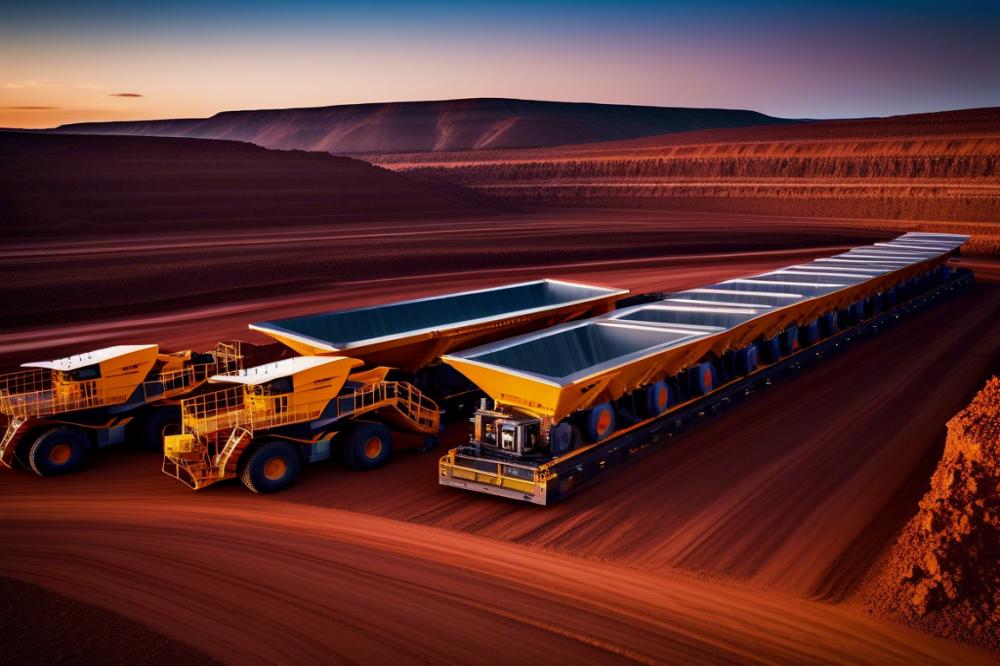
The mining industry faces unique challenges when it comes to marketing. Trust and credibility are essential for these companies. Both BHP and Rio Tinto have developed strategic approaches that reflect their goals.
BHP’s Use of AI in Corporate Communication
BHP has embraced AI technology to enhance corporate communication. This approach allows the company to analyze stakeholder sentiment effectively. By filtering vast amounts of data, BHP identifies trends and concerns among investors and the public. Timing is key; they can respond quickly to changing perceptions. In addition, this tailored communication fosters better relationships with stakeholders.
Rio Tinto’s Data Analytics for Marketing Enhancement
On the other hand, Rio Tinto focuses on data analytics to improve its marketing efforts. This strategy helps the company understand broader industry trends. Insights gained from data allow Rio Tinto to highlight sustainability initiatives effectively. They can demonstrate a strong commitment to responsible mining practices. Engaging campaigns showcase their efforts in reducing environmental impact.
Tailoring Messages to Different Stakeholder Groups
Both companies recognize the need to reach diverse audiences. Investors often seek information on financial performance and long-term vision. Employees, on the contrary, are interested in workplace culture and career growth. BHP and Rio Tinto tailor their messaging accordingly. This customization builds stronger connections with different stakeholder groups. Engaging investors and the community in supportive ways enhances overall corporate image.
Influencing Stakeholder Perception
Stakeholder perception holds significant power in the mining industry. How the public, investors, and communities view companies can largely impact their success. BHP and Rio Tinto understand this reality well. When stakeholders perceive a company positively, it often attracts investments and fosters community support.
Data analytics has revolutionized corporate communication. By analyzing trends and stakeholder behavior, mining firms can tailor their messages effectively. Both BHP and Rio Tinto utilize advanced analytics to shape their investor relations strategies. Investing in stakeholder analysis helps these companies identify concerns and areas needing improvement.
Case Studies of Successful Campaigns
BHP’s latest marketing strategy combines effective storytelling and visual data. Their campaign highlights sustainable mining practices. It showcases the company’s commitment to environmental responsibility and social engagement. This storytelling approach resonates well with both investors and the public.
Rio Tinto recently launched a proactive transparency initiative. The company developed an online platform, presenting real-time data on its operations. This move allows stakeholders to view safety records and sustainability efforts. Engaging communities through such platforms builds trust and enhances perception.
Addressing Skepticism and Promoting Transparency
Skepticism towards mining firms often stems from past practices. To tackle this challenge, BHP and Rio Tinto focus on open dialogue with stakeholders. Both companies recognize the need for honesty in their communications. Emphasizing transparency helps alleviate fears and answer doubts surrounding mining operations.
AI technology plays a crucial role in enhancing transparency. By continuously updating data and trends, companies can provide timely information. Stakeholders appreciate having access to clear, accurate data. With this approach, BHP and Rio Tinto not only influence perceptions but also promote their dedication to sustainability.
Overall, influencing stakeholder perception in the mining industry requires strategic use of data analytics. BHP and Rio Tinto’s marketing strategies illustrate how companies can turn challenges into opportunities. With a focus on corporate responsibility, these firms are shaping a more favorable image in the public eye.
Sustainability and Industry Trends
The mining industry faces increasing pressure to prioritize sustainability. BHP and Rio Tinto are at the forefront of this shift. Stakeholders are becoming more conscious of eco-friendly practices. As a result, companies must adapt to changing expectations.
AI technology plays a vital role in promoting sustainable mining practices. For instance, data analytics help identify the most efficient ways to use resources. With insights derived from data, firms can reduce waste and lower their carbon footprints. Additionally, AI enhances safety measures, ensuring that operations are not only efficient but also safer for workers.
New trends are emerging in response to these developments. Marketing strategies now focus more on corporate responsibility and environmental stewardship. Companies are leveraging digital platforms for better corporate communication. Investors want transparency about sustainability practices. Engaging this audience requires smart, innovative approaches.
For BHP and Rio Tinto, evolving industry trends present both challenges and opportunities. They must continue integrating cutting-edge technology into their operations. The future of the mining sector will likely depend on its ability to harmonize profit with ethical practices. Investors will scrutinize how firms manage resources and engage with communities, impacting longer-term success.
Change is already evident. Companies are increasingly using AI to tailor their messaging. Personalization in marketing helps build stronger connections with stakeholders. Understanding public perception is crucial in shaping future business strategies. Strategies that highlight commitment to sustainability will resonate more effectively.
Overall, the mining industry’s trajectory will be influenced by how well it embraces these new trends. BHP and Rio Tinto must lead by example. The push towards sustainability is not just a trend; it’s becoming a standard. The response to this demand will define their future in the global market.
Wrapping Up: The Future of Mining and Marketing
Key Insights Recap
In examining how BHP and Rio Tinto utilize data, we gain a clearer picture of the evolving landscape in mining. Both companies leverage advanced analytics to understand market trends and stakeholder sentiments more clearly. Using AI tools, they can collect vast amounts of information in real-time, driving their marketing strategies in novel ways. This allows them to tailor their messaging to different audiences, which is essential in today’s competitive environment.
The Role of Artificial Intelligence
AI significantly influences how mining firms approach their marketing efforts. By integrating data analysis into their strategies, companies can anticipate stakeholder needs and respond promptly. Marketing campaigns are not just about promotion anymore; they are about engagement. Data enables firms to create more personalized experiences for the public, fostering trust and improving perceptions of mining as a sustainable industry.
Final Thoughts on Data Analytics
Data analytics plays a crucial role in shaping stakeholder perception. When companies like BHP and Rio Tinto focus on transparent communication backed by data, they build credibility and support. Stakeholders appreciate brands that listen and adapt to their feedback. As these firms continue to refine their approaches, the importance of data in the mining sector will only grow. Future advancements will likely lead to even deeper insights, making it imperative for industry leaders to stay ahead of the curve. The journey has only begun, and the potential remains vast.

