

Understanding the Landscape of AI Marketing
AI marketing has changed how businesses interact with customers. Over the past few years, it has made a significant shift. Companies now rely on technology to understand consumer behavior better and reach their audiences more effectively. As this field evolves, the role of artificial intelligence becomes even more crucial. Many organizations harness its capabilities to analyze data and connect with potential buyers.
The importance of customer data cannot be understated. Data serves as the foundation for AI marketing strategies. Businesses collect vast amounts of information. This information includes purchasing habits, preferences, and even browsing history. Analyzing this data provides insights that help tailor marketing efforts. Personalized experiences have become a standard expectation for consumers. Marketers strive to create targeted campaigns that resonate with their audience.
This article aims to explore upcoming trends in the realm of AI and its relationship with consumer information. We will look closely at how these trends might shape the future of marketing. Additionally, the implications for privacy in this data-driven world deserve attention. Navigating customer privacy while utilizing their information presents a unique challenge for organizations. Striking the right balance is crucial if businesses want to maintain trust and build lasting relationships.
As we journey through these topics, our goal is to provide clarity on what lies ahead. By discussing key predictions and potential risks, we hope to guide readers in understanding the future of AI marketing. With a focus on #anchor_text_1#, we will dive deeper into how data usage evolves. Furthermore, the discussion will include #anchor_text_2# and its essential role in shaping advertising strategies.
Understanding Customer Data in AI Marketing
Types of Customer Data Collected
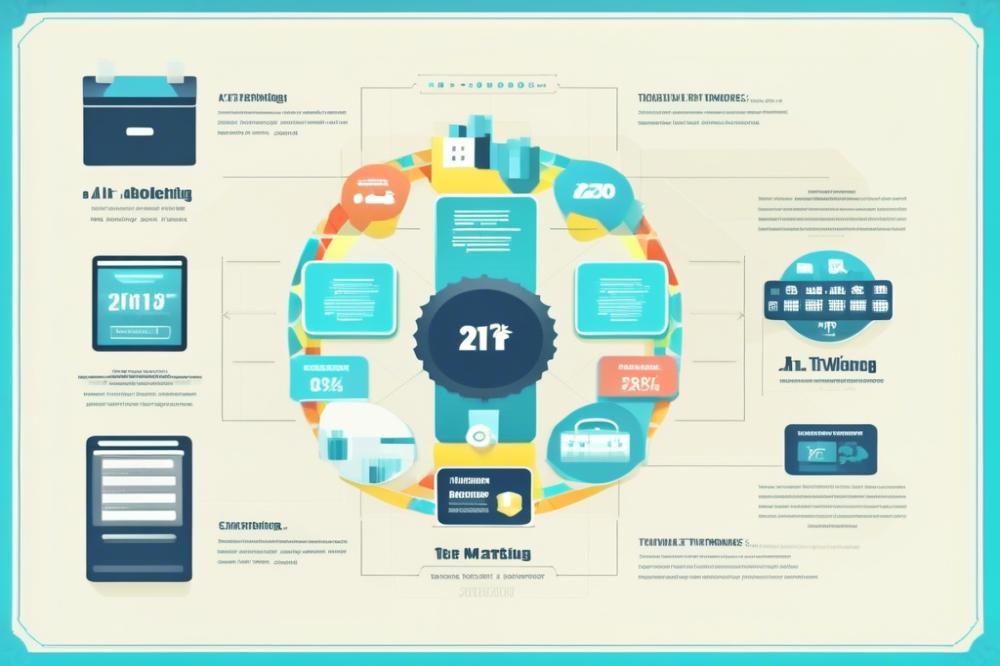
Businesses gather various kinds of information about their clients. Personal details, such as names and addresses, form the basic layer. Transaction history reveals purchasing patterns. Behavioral data, collected through web activities, shows what customers like and how they interact with brands. Social media interactions provide insight into preferences and opinions. This range of data helps marketers understand who their audience is and what they want.
Methods of Data Analysis in AI Marketing
Data analysis involves several techniques to make sense of the collected information. AI tools sift through vast amounts of data, identifying trends and patterns. Techniques like clustering group similar customers together. This segmentation allows for targeted strategies. Additionally, natural language processing helps companies understand sentiments behind customer feedback. These methods turn raw data into actionable insights.
Role of Machine Learning and Predictive Analytics
Machine learning plays a pivotal role in AI marketing. Algorithms learn from past data to predict future behavior. This prediction becomes crucial for developing marketing campaigns that resonate with customers. Predictive analytics uses historical data to uncover potential trends. It enables businesses to anticipate needs before they even arise. Employing these techniques leads to smarter decision-making.
Impact of Personalized Marketing Strategies
Personalization transforms how businesses approach their audience. Customized marketing messages capture attention better than generic ones. Each interaction feels tailored to individual customers. This not only fosters loyalty but also increases engagement rates. Yet, there is a delicate balance to maintain between personalization and privacy. People value their information and expect companies to handle it responsibly. Understanding this aspect is essential for building trust in the relationship between brands and their audiences.
Emerging Trends in Customer Data Usage
In the world of marketing, the reliance on automation for data collection is shifting how businesses operate. Many companies now use advanced technologies to gather customer information efficiently. This automation helps to minimize human error and saves time. It allows marketers to focus on analyzing data instead of just collecting it.
Another noteworthy trend is the movement towards real-time data usage. Businesses want to understand customer behavior as it happens. Immediate insights enable them to adjust their strategies promptly. This shift can significantly enhance the overall customer experience.
Moreover, there’s a growing emphasis on the integration of multi-channel customer data. Customers engage with brands across various platforms, from social media to email. By combining data from these different channels, businesses can gain a more complete view of their audience. This comprehensive understanding aids in tailoring messaging and offers effectively.
The rise of data-driven decision-making is a significant trend reshaping marketing strategies. Companies are beginning to rely more on analytics to make choices rather than instincts. Utilizing data helps mitigate risks and supports more informed actions. Marketers who leverage customer insights can create more impactful campaigns.
The Intersection of AI Marketing and Privacy
Current regulations governing customer data
Laws about data use are getting stricter. Governments around the world have started to implement regulations like the General Data Protection Regulation (GDPR) in Europe. This law gives individuals more control over their personal information. Companies must now ask for consent before collecting data. Regulations aim to protect consumers but can also create challenges for businesses. They need to navigate these laws while trying to understand their customers better. Without clear rules, confusion between customers and brands can arise.
Public perceptions of data privacy
Most people are concerned about how their data is used. A recent survey showed that many believe companies misuse their personal information. Trust in brands can quickly fade if customers feel their privacy is at risk. Many individuals worry about tracking and surveillance in the digital world. A general fear of data breaches also exists. Social media platforms and large corporations face backlash when data leaks occur. Public attitudes are shifting, demanding transparency from brands.
Privacy concerns surrounding AI algorithms
AI algorithms can analyze huge amounts of data. This can lead to better-targeted marketing strategies, but it raises questions about privacy. Some people feel uncomfortable with AI because it often operates without clear oversight. Algorithms can sometimes form profiles of individuals based on their behavior. This use of data can feel intrusive to many. When people learn about these practices, they may react negatively. The challenge is to create AI that respects privacy while delivering value.
Balancing personalization and privacy
Finding the sweet spot between personalized experiences and protecting privacy is tough. On one hand, customized advertising can make shopping easier and quicker. However, users do not want to feel like they are being watched. Brands need to communicate their data practices clearly. Transparency can build trust, enabling companies to collect valuable insights without crossing the line. Striking a balance is crucial for successful AI marketing. Companies must listen to their customers’ concerns. Only then can they create strategies that feel appropriate and respectful.
Future Predictions for AI Marketing and Customer Data
Technological advancements on the horizon
Rapid changes in technology will shape the future of AI marketing. New tools will likely enhance how businesses collect and analyze customer data. Machine learning algorithms are expected to become more sophisticated. These advancements can lead to more personalized experiences for consumers. Brands may deploy chatbots that understand context better and respond more naturally. Augmented reality might blend digital experiences with physical shopping environments, creating new pathways for engagement.
Evolving consumer behavior and expectations
Future trends indicate that customers will prioritize transparency. They may demand clear information about how their data is used. Shoppers are expected to become more selective about the brands they support. Loyalty might hinge on trust and ethical practices. As consumers recognize their value, they will likely seek brands that offer secure data environments. Expectations will evolve to foster a more informed relationship between businesses and customers.
Potential future regulations on data usage
Governments may introduce stricter regulations concerning data protection. The rise of privacy-focused legislation, similar to GDPR, is plausible in many regions. Companies may have to adapt to these legal changes efficiently. This could lead to significant shifts in marketing strategies. Collecting personal information might become more complicated. Compliance with these new rules will be essential for maintaining consumer trust.
Impact of AI ethics on marketing strategies
AI ethics will play a crucial role in guiding future marketing methods. Brands must consider the moral implications of data usage. Consumers will likely respond positively to companies that prioritize ethical practices. Those that misuse data may face backlash or public outcry. A focus on ethical marketing can also enhance brand loyalty. Companies might invest in training their teams on ethical data practices, making integrity a core value over time.
Looking Ahead
In this discussion, we explored the evolving landscape of marketing through artificial intelligence. Data usage in this field is growing, making it essential for companies to handle information responsibly. Ethical considerations must guide how businesses interact with consumer data. Transparency, trust, and respect for privacy will play crucial roles in shaping the future.
Marketing strategies must adapt to new technologies while keeping consumer rights at the forefront. It’s not simply about leveraging data; it’s about doing so in a way that consumers feel secure and valued. Everyone must recognize that privacy is paramount. Successful brands will be those that prioritize ethical data management as part of their core strategy.
Looking ahead, challenges lie in balancing innovation with confidentiality. The potential benefits of AI in marketing are vast, but misuse of personal information could lead to significant backlash. Companies must avoid crossing ethical lines to maintain consumer trust. As the use of AI marketing grows, awareness and regulation around misuse will likely increase.
Creating an environment where consumers feel safe sharing their data will benefit everyone in the long run. The relationship between businesses and customers is shifting, and with it, so are expectations. Conversations about privacy will only become more critical. So, as the dialogue evolves, it’s vital to advocate for responsible practices.
Ultimately, the future of AI marketing will depend on how well companies can integrate new technologies without compromising personal privacy. The aim should be to innovate while still respecting boundaries. With the right approach, marketers can unlock #anchor_text_3# and foster meaningful connections with their audience. The responsibility lying with marketers is significant, and the choices made today will impact tomorrow.
As we conclude, let’s remember that navigating this landscape will require a commitment to ethical standards. Brands capable of balancing progress and privacy will lead the way. The next chapter in marketing is here, and it’s time to embrace the changes thoughtfully and carefully. With the right focus, we can harness the power of technology while upholding the fundamental right of privacy. Marketers must prepare for this shift as they continue to adapt to the changing environment and consumer expectations, prioritizing efforts to safeguard data responsibly. What lies ahead is promising yet demands caution.
In this era of transformation, they must not forget the discussions surrounding data ethics. The path forward will be complex, but with a commitment to integrity, success is possible. As the landscape evolves, so too must our understanding of what is acceptable and what enhances the consumer experience without infringing on autonomy. Protecting privacy should be a shared goal for everyone involved, setting the stage for a stronger, more responsible use of AI in marketing. Remember, the choices made today shape the future, and the importance of ethical practices cannot be overstated. After all, the future hinges on respect for individual rights. Being proactive about privacy will pay dividends down the line, ensuring that both businesses and customers can thrive in harmony.
You may have heard discussions around #anchor_text_4#, highlighting the necessity to revise our approaches constantly. Only through ongoing dialogues and adjustments can we create a marketing landscape that thrives on transparency and trust. The journey ahead is an opportunity to redefine the relationship between brands and consumers positively.

